
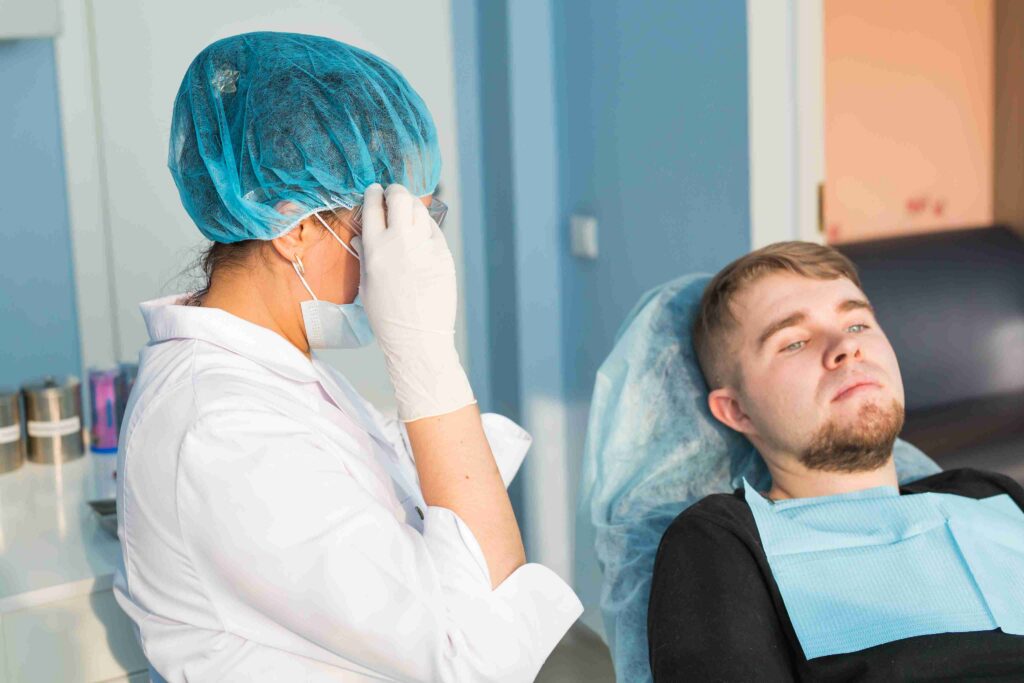
Dentures in Souderton, PA may help selected patients replace missing teeth with removable full or partial tooth replacement options. Full dentures may replace all teeth in an arch, while partial dentures may replace several missing teeth when some natural teeth remain. Souderton patients should have their gums; remaining teeth, bite, bone support, comfort, and cleaning needs evaluated before dentures are recommended. A consultation can also help compare dentures with bridges or dental implants.
Missing teeth can affect everyday comfort in ways that build over time. Chewing may feel less steady; speech may change slightly, or remaining teeth may begin to carry pressure differently. Some Souderton patients are missing several teeth, while others are preparing for extractions and want to understand what comes next.
A person considering dentures in Souderton, PA may want a removable way to replace missing teeth and support daily function. Dentures can help selected patients, but fit, stability, and comfort depend on the mouth, gums, remaining teeth, and bite.
A denture consultation should review more than the missing spaces. The dentist needs to check oral tissues, jaw shape, cleaning needs, and whether full dentures, partial dentures, bridges, dental implants, or another plan may be suitable.
What Dentures Are Designed to Do
Dentures are removable appliances made to replace missing teeth. They may replace all teeth in one arch or several missing teeth when some natural teeth remain. Their purpose is to restore tooth surfaces for chewing, speech, and appearance.
Full dentures Souderton patients ask about may be used when all teeth in the upper or lower arch are missing or need removal. Partial dentures Souderton patients may consider can replace several missing teeth while fitting around natural teeth that remain.
Dentures are customized to the patient’s mouth, but they do not feel exactly like natural teeth. The gums, jaw shape, bite, and daily habits all affect how comfortable and stable they feel.
What Dentures Souderton PA Patients Should Know
Dentures Souderton, PA. The treatment begins with a dental exam. The dentist checks the gums, bone support, remaining teeth, bite, jaw movement, and any sore or irritated areas. If natural teeth remain, the dentist will check whether they are healthy enough to support a partial denture.
Patients should expect an adjustment period. New dentures may feel bulky at first. Speech may sound different, and eating may require practice. Sore spots can develop as the appliance settles, and those areas should be checked rather than ignored.
Dentures may also need changes over time. The mouth can shift after teeth are lost, which may affect fitness. Adjustments, relines, or replacement may be needed as the gums and bone change.
Full Dentures Partial Dentures and Daily Use
Full dentures replace all teeth in one arch. They rest on the gums and are shaped to support the bite and facial tissues. Upper dentures may feel different from lower dentures because each arch has different anatomy and support.
Partial dentures replace some missing teeth while working around remaining teeth. They may use clasps or other design features for support. The remaining teeth must be kept clean and monitored because they play an important role in the partial denture plan.
Souderton patients should understand how each type is used, removed, cleaned, and stored. A denture that fits well still needs daily care and regular dental monitoring.
How Dentures Support Missing Teeth Treatment
Missing teeth treatment should consider chewing, speech, bite balance, facial support, and cleaning. Replacing one missing tooth is different from replacing several teeth or a full arch. The number and location of missing teeth affect the plan.
Dentures may help patients chew out a wider range of foods, but some foods may still require caution. They may also support speech once the tongue and lips adjust to the appliance. Filling visible gaps can also help support facial appearance.
Patients exploring dentures near Souderton should ask what dentures can realistically do. Dentures can replace tooth surfaces, but they may not provide the same biting force as natural teeth or fixed implant-supported teeth.
Dentures Compared with Bridges
A dental bridge is fixed in place and often uses nearby teeth for support. It may replace one or more missing teeth in a smaller area. A bridge is not removed by the patient for daily cleaning.
Dentures are removable and may replace several teeth in different areas. They can be useful when multiple teeth are missing or when a fixed bridge is not the preferred option. Dentures require daily removal, cleaning, and care for the gums.
A Souderton patient comparing tooth replacement options should consider the number of missing teeth, the condition of remaining teeth, cleaning habits, comfort, and long-term maintenance. The dentist can explain whether a bridge or denture may fit better.
Dentures Compared with Dental Implants
Dental implants may support crowns, bridges, or dentures in selected cases. Implant-supported dentures may provide added stability for some patients, but implants require enough bone support, healthy gums, surgical planning, healing time, and ongoing maintenance.
Traditional removable dentures do not require implant placement, but they may move more during chewing or speaking. Some patients adapt well to removable dentures, while others may ask about implant support if stability is a concern.
A consultation for dentures in Souderton, PA can include implant discussion if appropriate. The dentist should explain whether implants are a possible support option or whether removable dentures are the better starting point.
Why Remaining Teeth Matter for Partial Dentures
Partial dentures depend on the health of the teeth that remain. If those teeth have decay, gum disease, looseness, large fillings, or cracks, they may need treatment before a partial denture is planned.
The dentist may recommend X-rays to check bone support, roots, and older dental work. Gum health also matters because inflamed gums can make a partial denture uncomfortable and harder to maintain.
Souderton patients should not think of partial dentures as separate from the rest of the mouth. The natural teeth and denture work together, so both need daily care.
Benefits Patients Often Want from Dentures
Dentures may offer practical benefits for selected patients with missing teeth. The outcome depends on gum support, fitness, bite, cleaning habits, and the patient’s ability to adapt.
Patients may value:
- Replacement for several missing teeth
- A removable option for daily cleaning
- Support for chewing selected foods
- Improved speech after adjustment
- Help filling visible gaps
- Support for facial appearance
- Options for full or partial tooth replacement
- A comparison with bridges or implants
- These benefits vary by patient. Dentures take time to adjust to, and follow-up visits may be needed to improve comfort and fitness.
What Usually Happens During a Denture Consultation
A denture consultation often begins with a conversation about missing teeth, chewing concerns, sore spots, speech changes, and treatment goals. The dentist may ask whether the patient has worn dentures before and what did or did not feel comfortable.
The exam includes checking the gums, jaw shape, bite, remaining teeth, and oral tissues. X-rays may be recommended if teeth remain or if extractions, bone support, or hidden concerns need to review. If dentures Souderton, PA treatment is suitable, the dentist can explain the type of denture and what steps may be needed.
The process may include impressions, bite records, tooth shade and shape discussion, try-in visits, fitting, and adjustments. Follow-up is important because the appliance may need fine-tuning after the patient begins wearing it.
Daily Care and Adjustment Tips
Dentures should be cleaned daily to remove food, plaque, and buildup. The mouth also needs cleaning, including the gums, tongue, cheeks, and any remaining natural teeth. Patients with partial dentures should clean carefully around the clasps and supporting teeth.
New dentures may require practice. Softer foods, smaller bites, and chewing on both sides may help during the adjustment period. Speaking may also feel different at first, but practice can help the tongue and lips adapt.
Souderton patients should report sore spots, looseness, clicking, or pain. Adjustments can often improve comfort, but the denture must be checked properly.
Local Patient Review
“I wanted to understand whether dentures would help with eating and speaking. The visit explained the difference between full and partial dentures and what adjustment might feel like.”
A Practical Plan for Replacing Missing Teeth
Dentures can help selected Souderton patients replace missing teeth with a removable option that supports chewing, speech, and appearance. The best plan depends on gum health, remaining teeth, bite, comfort, and daily care needs. With Dental Excellence of Hatfield, denture planning can focus on fit, clear expectations, long-term maintenance, and oral health.
Frequently Asked Questions
What are the dentures?
Dentures are removable appliances that replace missing teeth. They may replace all teeth in an arch or some teeth when natural teeth remain.
Are dentures Souderton PA right for everyone?
No, dentures are not the only tooth replacement option. A dentist should check gums, remaining teeth, bite, bone support, and comfort needs first.
What is the difference between full and partial dentures?
Full dentures replace all teeth in an upper or lower arch. Partial dentures replace some missing teeth while fitting around remaining natural teeth.
Will dentures feel natural right away?
Dentures often take time to adjust to. Speaking, chewing, and comfort may improve with practice, follow-up visits, and needed adjustments.
Can dentures help me chew better?
Dentures may improve chewing for selected foods, but they may not provide the same bite force as natural teeth or fixed implant-supported teeth.
How do I clean dentures?
Dentures should be cleaned daily as directed by your dentist. Your gums, tongue, cheeks, and any remaining teeth should also be cleaned.
Why do dentures become loose over time?
Bone and gum shape can change after teeth are lost. These changes may make dentures loosen and may require an adjustment, reline, or replacement.
Can implants support dentures?
Yes, implants may support dentures in selected cases if there are enough bone and healthy tissue. A dentist can explain whether implant support is possible.